


From zero to professional your journey inside the data analytics workshop
The data analysis workshop is the golden gateway for anyone who aspires to transform digital chaos into inspiring strategic insights. In a world that never stops pumping information, dealing with numbers is no longer just an additional skill, but an imperative to stay ahead of the competition, and during this workshop we will sail together without complexity to reveal to you how to interrogate data and extract stories that support your decisions and shape your career, whether you are a beginner in search of your passion or a professional who aspires to excel.
Data Analysis Workshop from the Education Club Academy
Best Practical Data Analytics Workshop for Researchers provided by Science Club Academy Through its specialized platform, the Academy offers a unique learning experience based on practical application through the use of the most powerful statistical and technical programs such as SPSS, Minitab and others, ensuring that researchers, students and professionals master the art of extracting insights from complex data.
The workshop is not limited to the theoretical aspect, but includes the skills of preparing graphs and interpreting the outputs with high academic accuracy under the supervision of a group of experts, as joining this workshop through the Academy's website means investing in a skill that is most in demand, where silent numbers turn into smart decisions that make a difference in your career and research.
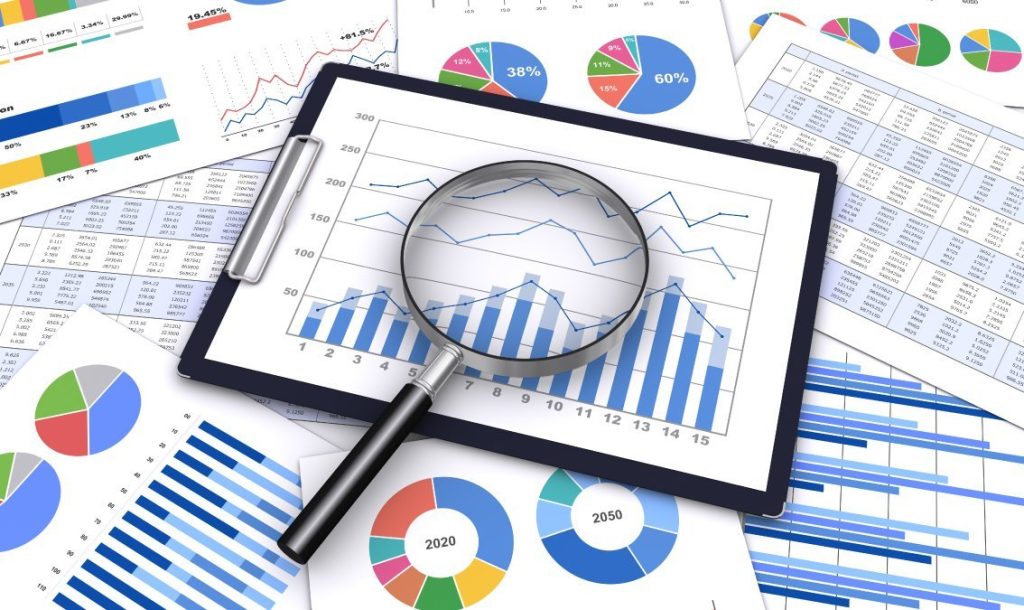
How to use statistical programs
The use of statistical programs needs to follow an organized method to ensure the accuracy of the results and the validity of scientific interpretation, and the steps of using these programs are as follows:
Using statistical programs
Working with programs such as SPSS or R requires a precise methodology to ensure the validity of the results, whether it is within the data analysis workshop at the Science Club Academy or in your own research, the process begins by following standardized steps that ensure the transformation of raw data into proven scientific facts away from randomness.
Data Preparation Phase
Processing begins with data processing and quality checks, where descriptive answers such as male and female are coded into 1 and 2 numbers for the program to understand. This stage also includes addressing missing values in blank fields and checking outliers to exclude any illogical numbers that could negatively affect the accuracy of the arithmetic averages.
Choosing the right statistical test
This step depends on the type of variables and the research objective. To describe the sample, we use frequencies and averages, but we use comparison tests such as T-Test or ANOVA to compare between groups, and in the case of searching for correlations, the Pearson or Spearman correlation coefficient is used to determine the strength of the relationship between the variables accurately.
Entering and running commands
تختلف آلية التشغيل على حسب طبيعة البرنامج، حيث إن برامج تحليل ذات الواجهة الرسومية مثل SPSS وMinitab تعتمد على اختيار الاختبار من القوائم المنسدلة ثم الضغط على أمر التشغيل، أما البرامج البرمجية مثل R وPython فتعتمد على كتابة أكواد Scripts مخصصة لاستدعاء المكتبات الإحصائية وتنفيذ التحليل إحصائي المطلوب.
Interpretation of outputs
The final stage focuses on the tables of results, especially the probability value, which if less than 0.05 indicates true statistical significance, as the coefficient of determination in regression analyses is used to measure the ability of the independent variable to predict the future results of the dependent variable.
Read more:Secrets of excellence in the research techniques workshop
How to Design Professional Tables and Charts
Designing tables and charts is more than just color coordination, it's the art of turning inanimate numbers into visual stories, and the most important rules for achieving this are as follows:
- Start by eliminating unnecessary details in tables, such as excessive gridlines, and focus on showing and collecting only essential data to ensure readability and comprehension.
- The type of graph must be adapted to the nature of the data. Bars are used for comparisons, lines are ideal for displaying time progression, and circles are used to show shares and percentages.
- Use a calm and professional color palette, using colors to serve the meaning, such as red to alert or retract, as well as limiting distracting the eye with too many unnecessary colors.
- Be sure to provide clear and concise headings for each table or figure, accurately labeling the axes and specifying the units of measurement used to avoid any ambiguity in interpretation.
- To ensure a world-class mastery of these skills, Scientific Club Academy offers you an intensive data analysis workshop with intensive training that goes beyond theoretical principles, as we help you adapt technical tools to produce visual statistical reports that impress readers and support decision makers.

Interpreting data results accurately through the Science Club Academy
Interpreting data results accurately goes beyond simply reading the numbers to understanding the statistical significance and the process behind them. Accuracy begins by focusing on the probability value to ensure that the results are not due to chance, taking into account the effect size and confidence intervals to ensure that the conclusions are realistic.
Also play Science Club Academy The data analysis workshop trains you to make logical connections between numbers and context, turning statistical outputs into strategic insights and evidence-based decisions.
The best hands-on data analytics training
There are several focuses of the hands-on data analysis training at the Science Club Academy in the form of focal points:
- Moving from the theoretical aspect to dealing directly with real databases and real challenges that simulate the labor market and scientific research.
- In addition to training on how to extract key performance indicators (KPIs) and transform static numbers into strategic recommendations that serve organizational goals.
- Mastering technical tools by practicing manual work on advanced analysis software, which guarantees the trainee the speed of implementation and the accuracy of statistical outputs in a quick time.
- Providing a learning environment that allows trainees to raise technical issues and get quick solutions from the academy's experts so that the information can be confirmed and applied properly.
- You can reserve your seat in the most powerful hands-on training tracks through the Scientific Club Academy website, where we guarantee to take you from learning to full-fledged professionalism.
Frequently asked questions
Do I need a programming background to join?
No coding experience is required, as the workshop is designed to take you from zero to mastering graphical interfaces and simple code.
How long is the Academy's data analysis workshop?
The duration varies depending on the chosen track, whether it is beginner or advanced, and you can view the updated timetable through the academy's website.
The data analysis workshop remains the ideal investment for every researcher and employee who aspires to excel in the information age. With the professional support of the Science Club Academy, you can now shortcut years of self-learning and quickly start applying the latest statistical and technical methodologies with complete reliability, so that your data can be transformed into success stories and smart decisions that make a difference in your career.
No comment